More than learning: Commute time that certified my skills and tracked my well-being
We’ve all been there—stuck on a crowded train or sitting in traffic, scrolling mindlessly, feeling like the minutes slip away. What if that lost time could build your future? I started using my daily commute to grow, not just get from point A to B. With the right apps, I earned real skill certifications and quietly improved my health—no extra hours, no burnout. This isn’t about hustle culture. It’s about working smarter within the life you already live. And the best part? I didn’t need a gym membership, a home office, or even a strong Wi-Fi signal every day. Just a phone, a pair of headphones, and the quiet decision to stop wasting those in-between moments.
The Hidden Potential of Your Daily Ride
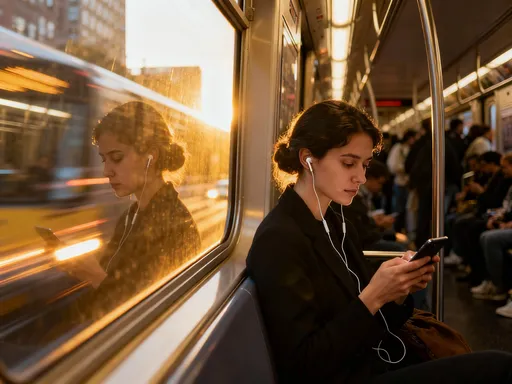
Let’s be honest—commuting doesn’t feel glamorous. You wake up early, pack lunches, maybe drop the kids off, and then you’re on a train, bus, or in your car, watching the same streetlights flicker past. For years, I treated this time like a blank space, something to survive with podcasts or endless social media scrolling. But slowly, I began to notice something: this time was consistent. Rain or shine, weekday after weekday, I had 45 minutes each way. That’s nearly 15 hours a month. What if, instead of letting it disappear, I could use it to build something real?
It wasn’t about adding more to my plate. I already had a full-time job, a family to care for, and a home that never stayed clean for long. The idea wasn’t to do more—it was to do differently. I started asking myself: what if this time wasn’t lost, but simply unclaimed? That shift in mindset changed everything. Instead of dreading my ride, I began to see it as my personal development window. No distractions from emails, no house chores calling my name—just me, my phone, and a chance to focus. And because it was separate from my home and work life, it felt safe, almost sacred. This wasn’t about productivity for the sake of output. It was about investing in myself in a way that didn’t cost extra time or energy.
I remember the first day I opened a learning app instead of my usual news feed. I felt a little silly, like I was trying too hard. But within ten minutes, I was absorbed in a short lesson about digital communication. It wasn’t intense, just 12 minutes long, with clear examples and a quick quiz at the end. When the app congratulated me on completing my first module, I actually smiled. Not because I’d learned something earth-shattering, but because I’d done something for me. And I hadn’t had to stay up late or wake up earlier to do it. That small win sparked something. If I could do this today, maybe I could do it again tomorrow.
Turning Minutes into Meaningful Progress
One of the biggest myths about learning is that it requires big blocks of time—hours at a desk, notebooks filled with notes, or expensive classes after work. But the truth is, real progress often comes from small, consistent actions. That’s where technology comes in, not as a distraction, but as a quiet enabler. Apps like Coursera, LinkedIn Learning, and Khan Academy aren’t just for students or tech geniuses. They’re designed for people like us—busy, curious, and looking to grow without upending our lives.
I started with a beginner course in digital marketing because it felt relevant to my job, but also flexible. The course was broken into 8-minute videos, short readings, and simple quizzes you could finish between stops. I didn’t need a laptop—my phone was enough. And because the app allowed offline downloads, I could keep learning even when the train went underground or into a tunnel. That feature alone made all the difference. No more excuses about spotty internet. I could press play and keep going, uninterrupted.
Over six weeks, I completed the entire course—watching lessons on my way to work, reviewing flashcards during delays, and taking the final quiz on a Friday morning ride. When I earned the certificate, I didn’t just add it to my LinkedIn profile. I felt a quiet pride. This wasn’t handed to me. I’d built it, one commute at a time. And the best part? My family didn’t notice any change in my routine. I wasn’t staying up later or missing dinner. I was just using time that already existed. That’s the power of micro-learning: it fits into your life instead of fighting against it.
What surprised me most was how natural it felt. I wasn’t cramming or stressing. Each session was like a mini-conversation with a helpful tutor. The platform tracked my progress, celebrated milestones, and gently reminded me if I skipped a day. It wasn’t pushy—just there, like a friend who believes in you. And because the content was practical—how to write better emails, create simple graphics, understand basic analytics—I could apply what I learned at work almost immediately. My manager noticed. “You’ve been suggesting some great ideas lately,” she said. I just smiled and thought, you have no idea where they came from.
How Learning on the Go Changed My Confidence
Growing your skills isn’t just about what you can do—it’s about how you see yourself. Before I started using my commute to learn, I often felt stuck. Not unhappy, but… stagnant. Like I was doing a good job, but not really moving forward. I told myself I didn’t have time to grow, that learning was for younger people or those with flexible schedules. But proving myself wrong, one lesson at a time, changed that.
Every time I completed a module, I felt a little stronger. Not because the content was life-changing, but because I was showing up for myself. That consistency built something deeper than knowledge—it built confidence. I started speaking up more in meetings. I volunteered for projects I would’ve avoided before. And when a new role opened up in my department, I applied without hesitation. I got the position, and during my review, my manager specifically mentioned my initiative and fresh ideas. I didn’t say it out loud, but I knew where that initiative came from: seat 14B on the 7:48 train.
My family noticed the shift too. “You seem more… present,” my husband said one evening. “Like you’re not just going through the motions.” My daughter even commented, “Mom, you’re less stressed. You don’t snap as much.” I realized that investing in myself hadn’t just improved my career—it had improved my home life. I wasn’t dragging exhaustion into the kitchen or the living room. I was bringing energy, curiosity, and a sense of purpose. That daily commute, once a source of dread, had become a source of strength. And that confidence didn’t fade. It grew, quietly and steadily, with every lesson completed, every small win acknowledged.
It wasn’t about becoming an expert overnight. It was about proving to myself that I was still growing, still capable, still curious. And in the middle of juggling school pickups, laundry, and work deadlines, that reminder was priceless. You don’t have to reinvent your life to grow. Sometimes, you just need to rethink how you use the time you already have.
The Unexpected Bonus: Health Tracking That Actually Fits My Life
Here’s something I didn’t expect: while I was building my skills, I was also getting healthier. Not because I started running marathons or overhauling my diet, but because I began using the same tech tools to support my well-being. I downloaded a few simple apps—one for step tracking, one for water intake, and one for mindfulness—and let them run quietly in the background. No pressure, no guilt, just gentle reminders that fit into my existing routine.
At first, I ignored most of them. I’d see a notification: “Time to drink water,” and think, Yeah, yeah, I’ll do it later. But over time, something shifted. Because these nudges came during my commute—when I wasn’t rushing or distracted—they started to stick. I’d finish a lesson, take a breath, and remember to sip from my water bottle. Or I’d get off the train a stop early and walk the rest of the way, just to hit my step goal. It wasn’t about perfection. It was about small, doable choices that added up.
The mindfulness app was the real game-changer. Every morning, after my learning session, it would prompt me with a 3-minute breathing exercise. At first, I thought it was silly. Who has time for breathing practice? But I tried it—and within a week, I noticed I was calmer when I walked into the office. I wasn’t carrying the tension of the ride with me. That short pause became my reset button. It didn’t take extra time. It was part of the same 45 minutes I was already using. And the app didn’t demand more. It celebrated small efforts: “Great job! You’ve meditated 3 days in a row.” That kind of encouragement made me want to keep going.
I also started sleeping better. Not because I downloaded a sleep tracker and obsessed over my data, but because my mind was quieter by the end of the day. I wasn’t scrolling until midnight or lying in bed replaying work stress. I’d already done my mental reset on the train. My body began to wind down naturally. My husband noticed. “You’re falling asleep faster,” he said. “And you’re not waking up as much.” I hadn’t set out to improve my sleep—but it happened anyway, as a side effect of caring for myself in small, consistent ways.
Syncing Learning and Health for a Balanced Routine
What really surprised me was how these two habits—learning and well-being—started to support each other. They weren’t competing for my attention. They complemented each other. I began to see my commute as a holistic self-care ritual, not just a time for tasks. The tech made it easy to connect the dots. For example, after I completed a lesson, my app would suggest a 5-minute stretch or breathing exercise. It felt like a reward, not a chore. Or when I hit my step goal for the day, I’d get a little message: “Great job! You’ve earned a bonus lesson.” It turned effort into encouragement.
This synergy didn’t happen by accident. The apps were designed to create positive feedback loops. Small wins led to small rewards, which led to more motivation. And because everything happened during the same part of my day, it felt cohesive. I wasn’t jumping between unrelated tasks. I was building a rhythm: learn, breathe, move, reflect. It wasn’t intense. It wasn’t overwhelming. It was just… steady. And that consistency made all the difference.
I also noticed that when I felt mentally sharp from learning, I was more likely to make healthy choices. I’d pack a better lunch, take the stairs, or say no to junk food. And when I felt physically good—rested, hydrated, calm—I was more focused during my lessons. It was a cycle of small gains that lifted everything else. Technology didn’t force this balance. It simply made it easier to see and sustain. It was like having a quiet coach who knew my pace and cheered me on without shouting.
The key was that none of this felt like a burden. I wasn’t adding more to my day. I was enriching the time I already had. And because the tools were simple and intuitive, I didn’t need to think hard about them. They worked with my life, not against it. That’s the kind of tech I can get behind—not flashy gadgets or complicated systems, but quiet helpers that support real, lasting change.
Making It Work Without the Overwhelm
If you’re thinking, This sounds great, but I’m already overwhelmed, I hear you. That was me too. The last thing any of us needs is another thing to manage. So here’s what I learned: start small. Don’t try to learn three skills and track five health metrics at once. Pick one learning goal and one well-being habit. That’s it. Maybe it’s a short course on communication, paired with drinking more water. Or a photography class and a daily 5-minute meditation. Keep it simple.
Choose apps that feel friendly, not demanding. Look for ones with offline access, gentle reminders, and progress tracking that celebrates effort, not just results. And don’t worry about doing it every single day. Life happens. Some days, your train is delayed. Other days, you’re too tired. That’s okay. The goal isn’t perfection—it’s consistency over time. Even if you only do it three days a week, you’re still moving forward.
I also protect my mental space. I don’t multitask during my commute. I don’t try to answer emails while watching a lesson or meditate while scrolling. I focus on one thing at a time. That focus is what makes it work. And I use airplane mode when I need to—turning off notifications so I can truly engage. This time is for me, not for everyone else.
Finally, listen to your energy. Some days, I swap a lesson for a longer meditation. Other days, I skip learning and just walk. Flexibility keeps the routine sustainable. This isn’t about rigid discipline. It’s about kindness and intention. When you treat yourself with care, the habits stick. And when the habits stick, the changes last.
A Smarter, Calmer, More Capable You—One Ride at a Time
Looking back, I realize my commute didn’t just get me to work. It helped me grow into a version of myself I hadn’t expected. I’m not just more skilled. I’m more confident, more present, more at peace. And it didn’t require a life overhaul. It just required a small shift in how I used time I already had.
Technology, when used with care, doesn’t have to pull us away from what matters. It can actually bring us closer—to our goals, to our well-being, to ourselves. The apps didn’t change my life. I did. But they gave me the tools, the reminders, and the quiet support to do it without burning out.
If you’re sitting on a train right now, scrolling without purpose, I want you to know: you have everything you need to start. Your phone, your time, your curiosity. That 45 minutes isn’t lost. It’s yours. And it can become a daily act of self-investment—one lesson, one breath, one step at a time.
You don’t have to do it all at once. You just have to begin. And the beautiful thing is, you can start tomorrow. No big announcements, no dramatic changes. Just open an app, press play, and let the journey begin. Because growth isn’t always loud. Sometimes, it’s as quiet as a notification on your phone, reminding you that you matter—and that you’re worth the time.