More Than Just Paying: How Parking Apps Gave Me Back Time and Peace of Mind
You know that moment—rushing to a doctor’s appointment, baby in tow, only to circle the block three times looking for change? I’ve been there. My phone used to be full of parking stress: expired meters, surprise tickets, that sinking feeling when you’re one coin short. But everything shifted when I truly embraced parking payment apps. It wasn’t just about convenience—it was about reclaiming time, reducing anxiety, and making daily life flow a little more smoothly. This is how they quietly transformed my routine.
The Daily Struggle: How Parking Stress Was Draining My Energy
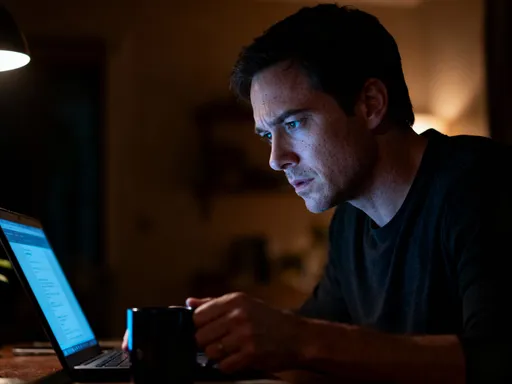
There was a time when parking felt like a daily battle. Not the dramatic kind, but the slow, quiet kind that chips away at your peace. I’d pull up to drop off my son at school, already running five minutes behind, only to spend ten more minutes circling the block, eyes darting to every parked car, hoping someone was pulling out. And when I finally found a spot? More stress: Did I have enough quarters? Was the meter broken? Should I risk it?
I remember one morning vividly. My daughter had a fever, and we were due at the pediatrician’s office in 20 minutes. I parked, rushed her inside, and came back to a bright orange ticket tucked under my windshield wiper. Why? The meter had expired three minutes earlier. Three minutes. I hadn’t even made it through the door. That ticket wasn’t just a $35 charge—it felt like a personal failure. Like I wasn’t doing enough, fast enough. And I realized, this wasn’t really about parking. It was about how tiny, repeated frustrations were draining my energy, my focus, my calm.
These moments piled up. The grocery run where I cut the trip short because I didn’t want to overstay. The weekend outing where I rushed my family back to the car just in time to feed the meter. The mental load of always remembering change, always calculating time, always worrying. It was exhausting. And the worst part? It wasn’t even something I thought could change. I just assumed this was part of adult life—part of being a mom, part of living in a city. But then I heard about parking apps. And honestly? I almost ignored it. Another app? Another thing to learn? I didn’t have the bandwidth. But that ticket was the last straw. I decided to give it a try—not because I believed it would change much, but because I was tired of feeling so small over such small things.
Discovering Parking Apps: A Simple Fix with Unexpected Benefits
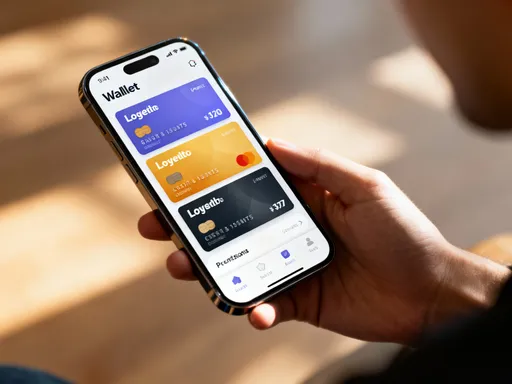
I downloaded my first parking app after seeing a post in a local moms’ group. Someone had written, “If you’re still carrying quarters, you’re working too hard.” I laughed, but it stuck with me. That night, I searched for parking apps available in my city and picked one with high ratings and a clean interface. I set it up with my license plate and linked a credit card—less than ten minutes, and I was ready.
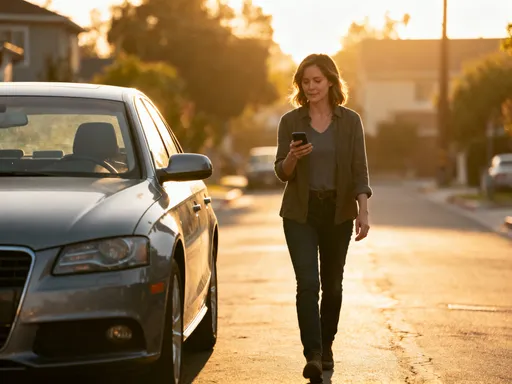
The next day, I used it for a quick pharmacy run. I pulled into a metered spot, opened the app, selected my location, chose two hours, and hit pay. That was it. No fumbling with coins. No wondering if the machine took dollar bills. No racing back to the car. I got a confirmation on my phone and went about my errand. When I returned, I felt… lighter. Not because I’d saved money—though I had—but because I hadn’t added another layer of stress to my day.
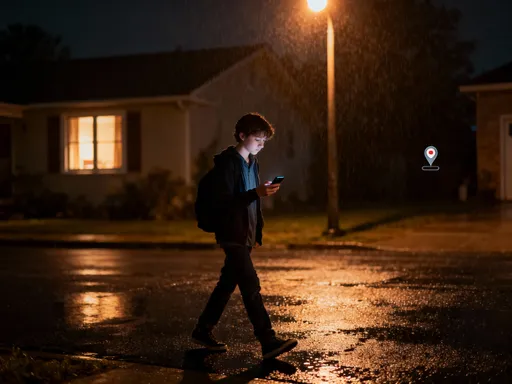
But the real surprises came in the days that followed. The app started remembering my frequent spots—near the school, the library, the park. It would suggest them automatically. It sent me a gentle push notification ten minutes before my time ran out, so I could choose to extend remotely. No more panic. And one rainy afternoon, I was running late for a coffee date. I opened the app and saw that parking two blocks over was 30% cheaper. I walked the extra distance, saved money, and didn’t feel like I’d lost time. In fact, I felt clever. Like I was finally playing the game right.
What I thought was just a digital wallet for meters turned out to be a small but powerful tool for reclaiming control. It didn’t fix everything in my life—but it fixed one thing, consistently. And that made space for everything else.
How Technology Supports Healthier, Calmer Living
Here’s what I didn’t expect: parking apps didn’t just save me time. They helped me feel healthier. Not in the way a fitness tracker does, with steps and heart rate, but in the way that matters just as much—my mental and emotional well-being. Every time I avoided that spike of panic when the meter ran out, I gave my nervous system a break. No more cortisol rush. No more shallow breathing as I power-walked back to my car. Just calm. Presence. The ability to stay in the moment.
I started noticing it during school drop-offs. Instead of rushing my son out of the car, stressed about the clock, I could take an extra minute. We’d talk about his day, laugh about a silly dream, share a hug. That minute used to feel stolen from parking time. Now, it felt like a gift. And science agrees—chronic low-grade stress, the kind that comes from daily hassles, wears us down over time. It affects sleep, focus, even immunity. By removing just one of those stressors, I wasn’t just making life easier. I was making it healthier.
One Saturday, we went to the botanical garden. In the past, I would have cut our visit short by 20 minutes—just to make sure we got back before the meter expired. But with the app, I didn’t have to. I got a soft alert on my phone, and with one tap, I extended the time. We stayed longer. My kids played in the fountain. I sat on a bench and just breathed. I wasn’t thinking about time or money or rules. I was just there. And that kind of presence—it’s rare. It’s precious. And it’s something I now realize technology can help protect, not steal.
It’s not that life became perfect. Kids still spilled juice. Traffic still happened. But I had more emotional bandwidth to handle it. Because I wasn’t starting each day already drained by small battles. I had more patience. More joy. More room to be the mom, the partner, the person I wanted to be.
Real-Life Wins: Time, Money, and Emotional Gains
After using the app for a few months, I started to see the real impact—not just in how I felt, but in what I actually gained. I did a little math and realized I was saving nearly two hours a month. Two hours! That’s a movie night, a long bath, a quiet walk with a friend. And it wasn’t just time. I was saving money too. The app showed me real-time rates in different zones, and I learned that parking just one block over could save me $2 an hour. Over a month, that added up.
But the biggest wins weren’t measurable. They were emotional. Like the afternoon my daughter fell asleep in her stroller during a long walk through the neighborhood. In the past, I would have woken her up, just to feed the meter. I would have cut the nap short, knowing she’d be cranky later. But this time, I let her sleep. I got a gentle alert from the app 15 minutes before the time ran out, and with one tap, I added another hour. She woke up happy, rested, and we continued our walk. That moment didn’t just feel convenient. It felt like grace. Like I had been given a gift I didn’t know I needed.
Another time, I was at a café reading while my son played in the kids’ corner. My phone buzzed—“Your parking time ends in 10 minutes.” I didn’t jump up in a panic. I simply opened the app, extended for 30 more minutes, and went back to my book. I wasn’t distracted. I wasn’t stressed. I was present. And that, more than anything, became the real value. It wasn’t about avoiding tickets. It was about creating space for the life I wanted to live.
I started to see the app not as a tech tool, but as a peace tool. Every time I used it, I was choosing calm over chaos, presence over panic. And those small choices added up to a bigger change in how I moved through the world.
Learning to Trust Tech in Everyday Moments
I’ll admit, I was skeptical at first. What if the app didn’t work? What if the parking enforcement officer didn’t accept digital payment? What if my phone died? These weren’t silly questions—they were real concerns, especially when a ticket could cost more than my weekly grocery bill. So I didn’t jump in blindly. I started small. I used the app for short, low-stakes trips—around the corner, near my home. I made sure to take a screenshot of the confirmation, just in case.
And slowly, my trust grew. Every time I saw the green checkmark on the app, every time an officer walked past my car and didn’t write a ticket, every time I got that timely alert—my confidence grew. I learned to check that my location services were on, that I’d entered the right zone, that my payment method was up to date. It wasn’t about blind faith. It was about using the tool wisely, like I would any other part of my routine.
I also learned to pick reliable apps—ones with good reviews, clear customer support, and partnerships with city parking systems. I didn’t need the fanciest app. I needed one that worked, consistently. And over time, it did. So much so that now, if I ever have to pay at a meter the old way, I feel anxious. Not because I can’t do it—but because I remember how much harder it used to be.
Trusting tech didn’t mean giving up control. It meant using it to gain more control. And that shift in mindset—seeing technology not as something complicated or cold, but as a quiet helper in my daily life—changed how I approached other tools too.
Sharing the Shift: How My Family Adopted the Change
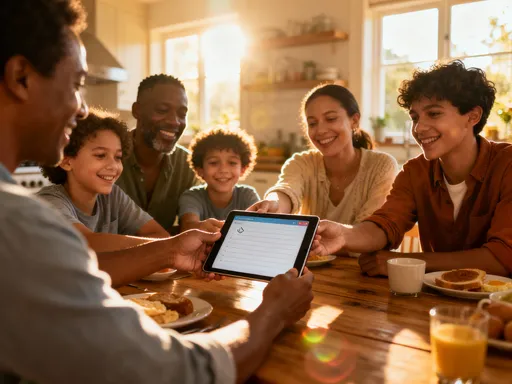
I didn’t keep this to myself. I showed my husband during a weekend trip to the city. We were visiting a museum, and he was about to feed the meter for the third time. I said, “Wait—let me show you something.” I opened the app, extended our time remotely, and explained how it worked. He was skeptical. “Seems like a lot of trouble,” he said. But then, two weeks later, he called me from downtown. “You’ll never believe this,” he said. “I was about to get a ticket, but I got an alert and extended from my desk. Saved me $40.” He’s been using it ever since.
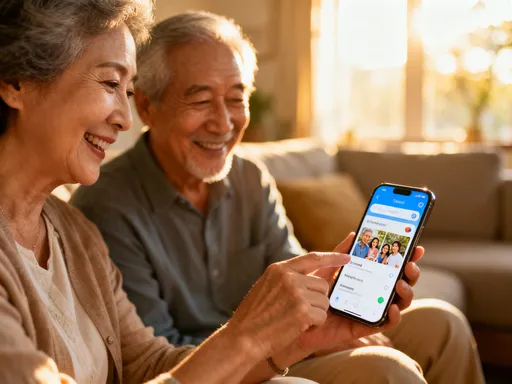
We linked our accounts, set up a shared payment method, and now both of us can manage parking from our phones. I even added my mom for her doctor visits—she’s not tech-savvy, but I walked her through it, and now she texts me when she’s proud of using it on her own. “I parked and paid without your help!” she said last week. It made me smile. Because it wasn’t just about parking. It was about giving her independence, peace of mind, one small win at a time.
Teaching my family wasn’t about being a tech expert. It was about care. It was about saying, “I found something that made my life easier, and I want that for you too.” And in a way, it became a love language—quiet, practical, but deeply meaningful. Every time one of us avoids stress, we’re giving each other more space to breathe, to connect, to just be.
Beyond Parking: A New Mindset for Smarter, Lighter Living
This small change sparked something bigger. Once I saw how one simple tool could reduce stress and save time, I started looking at other parts of my life with fresh eyes. Could tech help with meal planning? Yes—now I use a simple app to rotate recipes and build grocery lists. Could it help with appointments? Absolutely—digital calendars with reminders mean I’m never late for a dentist visit again. Could it help with laundry? Well, not fold it, but a washer-dryer with remote alerts lets me start a load while helping with homework, then get a ping when it’s done.
I’m not trying to automate my life. I don’t want to live inside an app. But I do want to live more lightly. More intentionally. And parking apps taught me that the best technology isn’t the flashiest—it’s the one that disappears into the background, doing its job so I can focus on what matters. It’s not about becoming tech-dependent. It’s about becoming life-centered.
I still carry quarters—in case my phone dies or I’m somewhere the app doesn’t work. But I don’t rely on them. And more than that, I don’t carry the weight I used to. The mental load of parking is gone. The anxiety is quieter. My days feel longer, not because there are more hours, but because I’m not wasting them on avoidable stress.
So if you’re still feeding meters with change, still rushing back to your car, still getting tickets that feel like personal failures—know this: it doesn’t have to be this way. There’s a simpler way. It might feel small. It might seem like just another app. But sometimes, the smallest tools bring the biggest shifts. For me, it wasn’t just about parking. It was about peace. And that’s a gift worth downloading.