I just want to know they’re safe: How family-friendly tech finally made peace of mind simple
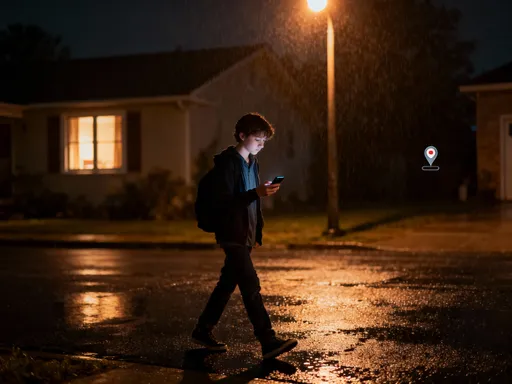
You know that split-second panic when your child is out late and their phone goes unanswered? You’re not alone. That knot in your stomach, the endless 'are they okay?' loop—it’s part of modern parenting. But what if technology could quietly ease that worry without taking over your life? Not flashy gadgets, not complicated apps—just simple, intuitive tools that work when you need them. This is about real peace of mind, built into everyday life. I remember one rainy Tuesday, my 14-year-old was coming home from a friend’s house. No call. No text. Just silence. I checked the clock—47 minutes past curfew. My mind raced: Did they miss the bus? Did something happen? And then, a quiet ping on my phone. A map notification: 'Anna has arrived at home.' Just like that, the tension melted. I didn’t have to ask. I didn’t have to nag. The tech did the work. And in that moment, I realized something: this wasn’t about control. It was about care. It was about breathing easier, knowing she was safe. That’s the kind of peace we all want—not perfection, just reassurance.
The Moment Everything Changed: When a Simple Check-In Brought Real Relief
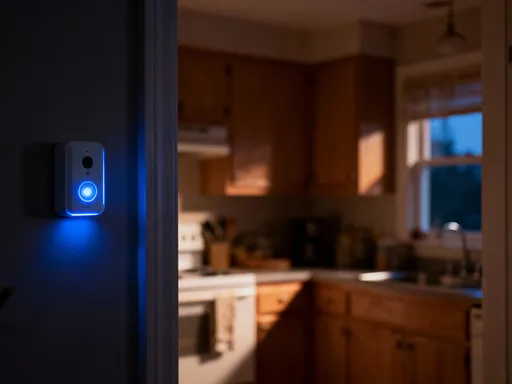
It was nothing dramatic, just a dark, wet evening and a daughter running late. But in that moment, every parent’s quiet fear came rushing in. I stood at the window, watching raindrops blur the streetlights, wondering if I should call—again. But then, my phone lit up with a soft chime. A notification from our shared family app: 'Anna has arrived at home.' I didn’t set an alarm. I didn’t send a reminder. The app knew. It had been quietly tracking her location in the background, not to spy, but to protect. And when she turned onto our street, it sent me a message. Just like that, the weight lifted. I didn’t have to play detective. I didn’t have to interrupt her. The technology had done its job—effortlessly, gently, without drama.
That moment changed how I saw safety tech. I used to think it was about watching, about control. But this was different. It was about trust—between me and my daughter, and between me and the tools I used. The feature was simple: automatic arrival alerts. When she leaves a designated place, like her friend’s house, and arrives at another, like home, the app quietly tells me. No fuss. No pressure. It’s not about constant monitoring. It’s about knowing when it matters most. And for me, that’s everything. I’ve learned that the best tech doesn’t make you feel like a guard. It makes you feel like a parent—supported, informed, and calm. That rainy night wasn’t about surveillance. It was about safety wrapped in respect. And that’s what made all the difference.
Beyond Tracking: How Child Safety Tech Became Effortless, Not Overwhelming
Let’s be honest—most of us have tried safety apps and given up. Maybe they were too complicated. Maybe they felt like we were turning our kids’ lives into a security feed. I’ve been there. I downloaded one app that wanted me to set up zones, customize alerts, sync devices, and approve every little change. After three days, I uninstalled it. It wasn’t helping—it was adding stress. But the new generation of family tech? It’s different. It’s designed for real life, not tech experts. It works quietly, automatically, and most importantly, it respects everyone’s time and privacy.
Take one-tap check-ins, for example. Now, when my son leaves school, he taps a button in the app: 'On my way home.' I get a notification instantly. No typing. No calling. Just a quick tap, and I know he’s safe. And because it’s so easy, he actually does it. It’s not a chore. It’s a habit. There’s also voice-activated updates—like saying, 'Hey phone, tell Mom I’m at Grandma’s.' The app sends the message for him. These small things make a big difference. They remove friction. They make safety something we do together, not something I force on him.
Another game-changer? Automatic geofence alerts. When my daughter walks into soccer practice, her phone senses the location and sends me a message: 'Anna has arrived at the field.' It’s not constant tracking. It’s just a heads-up when she reaches a safe place. And if her phone battery drops below 20%, the app nudges her: 'Time to charge!' That way, she’s not left without a way to connect. These features aren’t loud or intrusive. They’re quiet helpers, working in the background so I don’t have to micromanage. And that’s what makes them stick. When tech feels natural, not forced, it becomes part of our rhythm—not a disruption.
Making It a Family Conversation, Not a Surveillance Setup
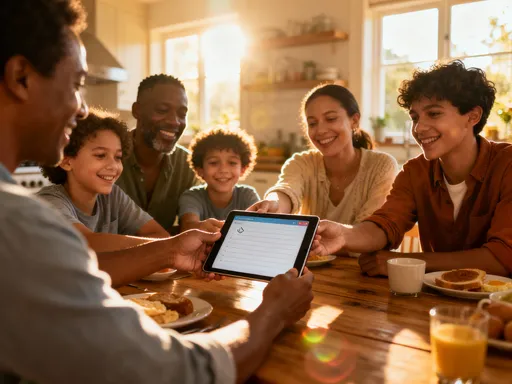
When I first brought up using a safety app, I was nervous. I didn’t want my kids to think I was spying on them. So I didn’t sneak it onto their phones. I sat them down and said, 'I want us all to feel safer. Not because I don’t trust you, but because I care.' We talked about why these tools exist—not to control, but to connect. I shared that I get anxious when they’re out late, and this could help me relax. And then I made it mutual: 'I’ll share my location when I’m driving, too. That way, we’re all looking out for each other.'
That shift—from surveillance to sharing—changed everything. It wasn’t 'I’m watching you.' It was 'We’re looking out for each other.' We set boundaries together. For example, notifications are turned off during school hours and after 9 p.m. unless it’s an emergency. That way, it’s not constant. It’s respectful. We also agreed on what counts as an emergency—a flat tire, a missed ride, feeling unsafe. That gave my kids control, and it gave me clarity.
One night, my son said, 'Mom, I don’t want to bother you, but I feel better knowing you know I got here safe.' That hit me. It wasn’t just helping me—it was helping him. He felt supported, not watched. And that’s the goal. These tools work best when they’re built on trust, not fear. When the conversation is open, calm, and honest, kids don’t resist. They join in. They see it as care, not control. And that makes all the difference in whether the tech gets used—or abandoned.
Smart Devices That Blend Into Daily Life—And Actually Get Used
The truth is, the best safety tech is the kind you forget you’re using. It’s not a bulky tracker or a complicated app. It’s something that fits into your child’s world—something they actually want to wear or carry. That’s why smartwatches for kids have been such a game-changer. They’re not just for safety. They’re fun. They have cool watch faces, games, step counters, and even emojis. My daughter loves customizing hers with sparkles and rainbows. She doesn’t see it as a 'safety device.' She sees it as her watch. And because she likes it, she wears it. Every. Single. Day.
But quietly, in the background, it’s doing important work. If she feels unsafe, she can press and hold the side button for three seconds—boom, an SOS alert goes to me and my husband with her location. No panic. No calling. Just a silent signal that says, 'I need help.' The watch also syncs with our home Wi-Fi and cellular networks, so we get updates even when her phone is off or out of reach. And charging? It’s simple. She plugs it in at night, just like her tablet. No extra steps. No hassle.
What makes these devices stick is that they’re not just functional—they’re part of her identity. She chooses the band. She picks the face. She feels ownership. And that means she’s more likely to keep it on and charged. That’s the secret: when safety feels like part of daily life, not a special rule, it becomes natural. It’s not about forcing compliance. It’s about making protection something they want, not something they endure. And when tech feels like a friend, not a monitor, it works better for everyone.
When Life Gets Chaotic: How Automation Keeps You Grounded
Let’s face it—life doesn’t follow a perfect schedule. Mornings are a blur. After-school plans change last minute. Phones get left on buses. In the middle of all that, expecting perfect check-ins is unrealistic. That’s why automation is a lifesaver. I don’t have to remember to check. The tech does it for me. Scheduled check-in reminders, for example, gently prompt my kids to update me if they haven’t arrived on time. It’s not a nag—it’s a nudge. 'Hey, did you get there yet? Let Mom know you’re safe.'
And when things go wrong, the system still holds. Last month, my son left his phone on the school bus. I didn’t know until he called from a classmate’s house. But within minutes, I got an alert: 'Device offline. Last known location: Jefferson Middle School bus stop.' I could see exactly where he’d gotten off. I messaged the school, they found the bus, and the driver had the phone. All because the app kept working, even when the phone lost signal. That’s the power of cross-device sync and low-data mode. It doesn’t need perfect conditions to protect.
Another feature I rely on is the 'safe arrival' delay alert. If my daughter doesn’t reach her destination within a set time, I get a message. Not a panic alarm—just a quiet heads-up. That way, I can check in without overreacting. These automated tools don’t replace parenting. They support it. They hold the line when I’m distracted, tired, or just busy being human. And in a world that never slows down, that kind of quiet reliability is priceless.
Balancing Safety and Growing Independence—Year by Year
As our kids grow, so should our approach to safety. When my youngest was eight, we used a simple GPS tracker in his backpack. It gave me peace of mind when he walked to the park with friends. But now that he’s 12, we’ve shifted. We use a shared family calendar and a check-in app. He updates me when he leaves and arrives. It’s not constant tracking. It’s mutual accountability. He knows I trust him, and I know he’s thinking about safety too.
The key is to grow with them. For younger kids, tools are more about location and alerts. For teens, it’s about communication and shared responsibility. We review our settings every few months. We talk about what’s working and what’s not. Sometimes, we turn off certain alerts. Other times, we add new ones. It’s a living system, not a one-time setup. One mom I know started with constant location sharing for her 13-year-old. By 16, they’d switched to occasional check-ins. 'I don’t need to see her every minute,' she told me. 'I just need to know she’s okay when it matters.'
That’s the beauty of modern family tech—it’s flexible. It can adapt as your child grows. It’s not a cage. It’s a scaffold—there when needed, but ready to step back as independence grows. And that’s how we raise confident, responsible kids: by supporting them, not smothering them. Technology, when used wisely, can help us find that balance.
Peace of Mind Isn’t Perfect—And That’s Okay
Here’s the truth no one talks about: no app, no device, no alert can guarantee safety. Accidents happen. Life is unpredictable. And that’s okay. Because these tools were never meant to eliminate risk. They were meant to manage worry. They’re not about control. They’re about calm. They’re about giving us a little breathing room in a world that feels too fast, too loud, too uncertain.
For me, the real gift isn’t knowing my kids’ exact location. It’s not having to text 'where are you?' five times a night. It’s the quiet joy of sitting at dinner, fully present, because I’m not stuck in a loop of anxiety. It’s the ability to focus on the conversation, the laughter, the little moments that matter. The digital reassurances don’t replace parenting. They free it. They clear the noise so we can connect more deeply, love more fully, and live more peacefully.
So yes, I still worry. I always will. But now, that worry doesn’t run the show. It sits quietly in the background, like a soft hum instead of a scream. And in its place? More space—for listening, for hugging, for being there, really there, with my family. That’s the peace I wanted. Not perfection. Just presence. And thanks to a few simple, thoughtful tools, I’ve found it—one quiet notification at a time.