More than a digital canvas: How online whiteboards quietly preserve my life’s moments
Have you ever lost a brilliant idea scribbled on a sticky note? Or forgotten the excitement of a family plan drawn together during a weekend chat? I used to—until I started using online whiteboards not just for work, but as a quiet keeper of memories. They’ve held my child’s first dream house sketch, saved our vacation brainstorm, and even archived a to-do list from a day I never want to forget. This isn’t just about productivity—it’s about meaning. What began as a tool for organizing team projects quietly became something more: a digital scrapbook of the moments that shape my days, my family, and my heart.
The Moment I Realized My Notes Were More Than Tasks
It started with something small—a grocery list. A rainy Sunday, the kind where the sky stays gray from morning to night, and the house feels extra cozy. My daughter and I were curled up on the couch, planning dinner while listening to the soft patter of rain against the window. I opened our shared online whiteboard to jot down ingredients for her favorite pasta dish. We added snacks, drinks, even a silly doodle of a tomato with a smiley face. I didn’t think much of it at the time. But months later, when I was cleaning up old project boards, I stumbled across it again.
And something shifted.
That simple list wasn’t just about food anymore. It was a snapshot of a quiet afternoon, of laughter, of connection. I could almost hear her voice saying, ‘Can we get chocolate milk too, Mom?’ I realized then that this digital space—something I associated with deadlines and work updates—had accidentally become a vessel for something far more precious: memory. Unlike paper notes that get crumpled, lost, or thrown away, this one was still there. Intact. Waiting.
That’s when I began to wonder: what if I stopped seeing my online whiteboard as just a productivity tool? What if I let it hold more than tasks—what if it held moments? The kind of ordinary, beautiful, fleeting things we don’t always think to save. The board didn’t judge. It didn’t demand perfection. It just held space. And in that space, I found a new way to remember.
From Work Meetings to Family Dreams: A Shared Space That Grows With You
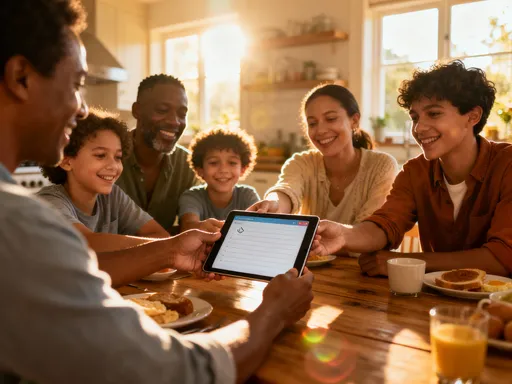
At first, our online whiteboard lived in the world of work. Team check-ins, project timelines, brainstorming sessions—it was all very professional. But slowly, without announcement, it began to stretch. One weekend, my husband asked if we could use it to plan our family vacation. ‘It’s easier than texting back and forth,’ he said. So we opened a new board. We pinned destinations, added budget notes, even sketched out a rough itinerary with sticky notes in bright colors. Our kids joined in, drawing little suns and palm trees in the corners.
And just like that, the board changed.
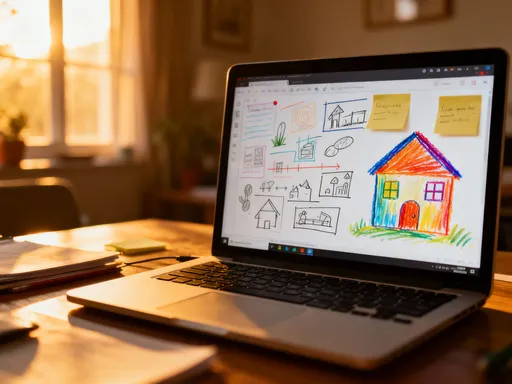
It wasn’t just for work anymore. It became a shared family space—flexible, inclusive, and always accessible. When my son wanted to design a treehouse, we didn’t reach for paper. We opened a board. He used the drawing tool to sketch walls, a rope ladder, and a flag on top. My daughter added a snack station and a ‘no grown-ups allowed’ sign. My husband dropped in research about safe materials, and I pinned a budget estimate. Over weeks, that board grew—lines were erased, ideas added, colors changed. But the best part? We were all part of it. No one was left out. No idea was too silly.
That treehouse may never get built, but the board remains. And every time I open it, I don’t just see a plan. I see collaboration. I see imagination. I see us. The whiteboard became more than a tool—it became a living record of how we dream together. And that, I’ve learned, is something worth preserving.
How a Simple Drag-and-Drop Saves More Than Ideas
One of the quiet joys of using an online whiteboard this way is how easy it is to save what matters. There’s no scanning, no filing, no worrying about physical space. When a project ends or a family plan wraps up, I don’t delete the board. I drag it into a folder labeled ‘Memory Lane.’ That’s it. One small action. But emotionally, it feels like so much more.
Think about it: when you delete a document, it’s gone. But when you save it—especially with a meaningful name—it becomes a story. I have boards titled ‘Our First Home Plan,’ ‘Summer Road Trip 2023,’ and ‘Mom’s Birthday Surprise.’ Each one holds more than notes. They hold intention. They hold effort. They hold time.
Organizing feels practical, sure. But preserving? That feels personal. It’s like putting a photo in an album instead of leaving it in your phone’s camera roll. The act of naming and saving turns a digital file into a keepsake. And over time, these saved boards form a timeline—not of milestones, but of moments. The board from the week we decided to adopt our dog? Still has my daughter’s doodle of a puppy with hearts around it. The one where we planned a surprise dinner for my sister? Full of whispered voice notes and secret ingredient lists.
None of these were ‘important’ in the traditional sense. But they were important to us. And now, they’re safe. Not lost in a drawer or forgotten in an email thread. They’re just a click away, waiting to be revisited. In a world that moves so fast, that kind of quiet preservation feels like a small act of love.
Voice Notes, Doodles, and Imperfect Lines—Why “Messy” Matters
Here’s something I’ve learned: perfection doesn’t stick in the heart. It’s the messy parts that stay with you. The crooked line. The rushed voice note. The spelling mistake. The child’s handwriting that takes up half the board. Those are the things that make a memory feel real.
Online whiteboards don’t erase the humanity behind the ideas. If anything, they highlight it. When I open an old board from a family brainstorming session, I don’t just see the plan—we wanted to turn the backyard into a mini farm with chickens and a vegetable patch. I hear it. Because I left a voice note saying, ‘I can’t believe we’re actually considering chickens!’ and my daughter giggled in the background. That giggle is still there. Playable. Preserved.
Or take the board where my son mapped out his dream school project—a robot that feeds stray cats. His drawing wasn’t neat. The labels were misspelled. But his excitement was clear. And when I look at it now, I don’t see imperfection. I see passion. I see a moment in time when he believed he could build something that helped the world.
That’s the magic of this tool. It doesn’t just capture what was said—it captures how it was said. The tone. The energy. The emotion. And because most platforms allow voice notes, drawings, and text all in one place, the full texture of a moment stays intact. It’s not curated. It’s not filtered. It’s real. And that realness? That’s what makes it meaningful.
Someday, my kids will grow up. They’ll move out, build their own lives. And when they do, I hope they’ll still remember the afternoons we spent planning silly, big, impossible things. I hope they’ll know how much joy we found in the trying. And if they ever doubt it? I’ll just open the board. Play the voice note. Show them the doodle. And say, ‘See? This was us.’
Setting Up Your Own Memory-Keeping System (Without Overthinking It)
You might be thinking, ‘This sounds nice, but I’m not tech-savvy. And I don’t want to spend hours organizing.’ I get it. That was me too. The good news? You don’t need a complicated system. You don’t need special skills. You just need to start—and keep going.
Here’s how I set it up: I use color-coded sections on my main board. Blue for family plans, green for personal goals, yellow for fun ideas, and pink for special events. That’s it. No rules. No pressure. When we start a new project—say, planning a holiday—I open a new board, add it to the family section, and invite everyone who’s involved. After it’s done, I move it to the ‘Memory Lane’ folder. I don’t rename it. I don’t tidy it up. I leave it just as it was—messy, alive, real.
The key isn’t perfection. It’s consistency. Think of it like a photo album. You don’t delete old pictures just because the lighting was bad or someone blinked. You keep them because they’re part of the story. Why treat your plans any differently?
Sometimes, my daughter asks, ‘Why are we saving this?’ when we finish a board. I tell her, ‘Because one day, you might want to remember how we did this together.’ And she nods, like it makes sense. Because it does. These boards aren’t about getting things done. They’re about remembering how we lived while we were doing them.
If you’re new to this, start small. Save one board. Name it something that means something to you. Maybe it’s ‘First Day of School 2023’ or ‘The Day We Adopted Max.’ Just one. See how it feels to come back to it weeks later. I bet you’ll smile. And then? You’ll want to save another.
Why This Small Habit Changed How I See Time
Time moves fast. Too fast. One minute, your child is drawing a dream house with stick figures. The next, they’re talking about college. It’s easy to feel like you’re always chasing the next thing—next meal, next appointment, next deadline. But when I open my old whiteboards, something shifts.
I don’t just see what we did. I see who we were.
That board from January, covered in scribbled goals and colorful sticky notes? It wasn’t just a plan. It was hope. It was effort. It was a version of me who was tired but still trying. And the trip we had to cancel because of the storm? The board is still there—full of excitement, hotel ideas, and a list of books to pack. We never took that trip. But the joy we felt while planning it? That was real. And it’s still preserved.
These boards don’t just track progress. They track presence. They remind me that I was there. That I showed up. That we laughed, we planned, we dreamed—even on the hard days. And that matters.
In a world that often measures value by output, by results, by speed, this practice has taught me to value the in-between. The conversations. The doodles. The voice notes. The shared silences filled with possibility. These whiteboards don’t just record the past. They help me appreciate the present—because I know it, too, will one day be a memory worth revisiting.
More Than a Tool—A Companion in the Background of Life
I used to think technology was for getting things done. Faster. Smarter. More efficiently. And yes, online whiteboards do help with that. But what I didn’t expect was how they would also help me feel more connected—to my family, to my past, to myself.
These boards don’t shout for attention. They don’t buzz or flash. They sit quietly in the background, holding what matters. And when I return—sometimes months later—they’re still there. Unchanged. Unforgotten. Ready.
In a world that feels increasingly fleeting, that kind of constancy is rare. And deeply comforting. It’s like having a friend who remembers everything—the big wins and the small joys, the plans that worked and the ones that didn’t. A friend who doesn’t care if things were perfect, just that they happened.
So now, when I open a new board, I don’t just think about the task at hand. I think about the memory it might become. Will my daughter add a doodle? Will my husband leave a funny voice note? Will we laugh at our own ideas and still save them anyway?
Because that’s the truth: life isn’t made of grand gestures. It’s made of moments. And if a simple online whiteboard can help me hold onto them—even just a little longer—then it’s not just a tool.
It’s a quiet keeper of my heart.