You Won’t Believe How Tracking My Sleep Changed Everything
Sleep used to be a mystery to me—some nights I’d crash hard, others I’d stare at the ceiling for hours. I knew I wasn’t alone, but I didn’t realize how much my daily habits were wrecking my rest—until I started actually watching it. Using simple health monitoring tools, I uncovered patterns I’d never noticed: how screen time, meals, and stress quietly sabotaged my sleep. What I discovered wasn’t magic, but it was powerful. This is how tracking transformed my nights—not through drastic changes, but through awareness and small, smart moves. What began as curiosity soon became a lifeline, revealing truths about my body and mind that I had overlooked for years. Sleep, I learned, is not just time spent unconscious—it’s a dynamic process that reflects the rhythm of our lives.
The Sleep Struggle Nobody Talks About
Many women in their 30s, 40s, and 50s report feeling exhausted despite sleeping for eight hours. They wake up with a sense of heaviness, as if their body didn’t truly rest. This experience is more common than most realize, and it highlights a critical misunderstanding: sleep quantity does not guarantee sleep quality. You can spend plenty of time in bed, but if your sleep is fragmented or lacks deep and REM stages, you won’t feel restored. The body repairs tissues, consolidates memories, and balances hormones during these crucial phases. Without them, even a full night’s sleep can leave you mentally foggy and emotionally drained.
Real-life patterns show how poor sleep quality affects daily functioning. A mother of two might manage her household efficiently but struggle to focus during afternoon meetings. A professional balancing career and caregiving may feel irritable without understanding why. These aren’t signs of personal failure—they’re signals from the body indicating disrupted rest. Often, the root causes are subtle: a late-night email session, an unnoticed caffeine habit, or chronic low-level stress that keeps the nervous system on edge. These behaviors don’t feel harmful in the moment, but over time, they erode sleep architecture, leading to unrefreshing rest.
What makes this struggle invisible is that it’s rarely discussed openly. There’s no stigma attached to being busy, but admitting you’re tired despite sleeping enough can feel like a personal shortcoming. Yet research consistently shows that a significant portion of adults experience non-restorative sleep. The problem isn’t laziness or poor willpower—it’s a lack of awareness about what truly supports restful sleep. By recognizing that feeling unrested is not normal, even with adequate time in bed, we create space for change. This awareness is the first step toward reclaiming energy, clarity, and emotional balance.
Why Guessing Doesn’t Work—The Power of Data
For years, people have relied on how they feel to judge sleep quality. But feelings are subjective and often misleading. You might believe you slept through the night, only to discover from tracking data that you woke up four times without remembering. Self-reporting is unreliable because the brain doesn’t always register brief awakenings or shifts in sleep stages. This gap between perception and reality is where sleep problems persist. Without objective feedback, it’s easy to misattribute fatigue to aging, stress, or busy schedules—missing the actual patterns that undermine rest.
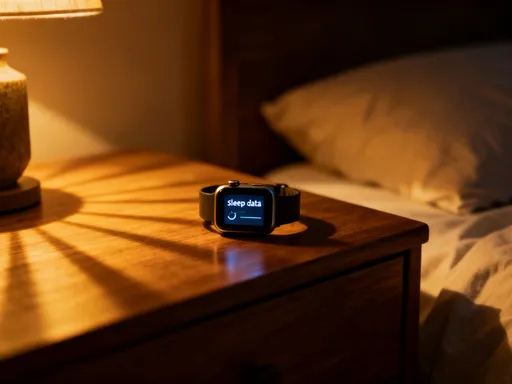
Objective monitoring changes this. Wearable devices and sleep apps use sensors to record movement, heart rate, breathing patterns, and sometimes blood oxygen levels. These metrics provide a clearer picture of what happens during the night. For example, a person might see that their deep sleep—the most restorative phase—consistently drops below recommended levels. Another might discover they spend too much time in light sleep or experience elevated heart rates at night, both of which indicate poor recovery. These insights are not about achieving perfection but about identifying trends that correlate with how you feel during the day.
Data also helps debunk myths. Some assume that going to bed early guarantees better sleep, but tracking might reveal that falling asleep too early leads to longer sleep onset latency or frequent awakenings. Others believe they need eight hours no matter what, yet data may show that their body naturally thrives on seven and a half. The key is not to chase arbitrary numbers but to understand your unique sleep needs. When you replace assumptions with evidence, you shift from guessing to making informed decisions. This move from intuition to insight is what makes tracking a game-changer for long-term well-being.
Choosing the Right Tools Without Overcomplicating It
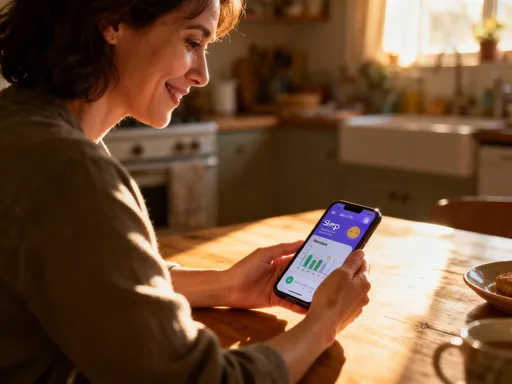
With so many sleep trackers on the market, choosing one can feel overwhelming. The good news is that you don’t need the most expensive or feature-rich device to gain valuable insights. The goal is consistency and usability, not technical complexity. Common options include smartwatches, fitness bands, and smartphone apps. Each has strengths: wearables like certain well-known brands offer continuous heart rate monitoring and automatic sleep detection, while apps that use your phone’s accelerometer can track movement and sound without requiring extra hardware.
When selecting a tool, prioritize ease of use and reliability. A device that’s uncomfortable to wear or requires frequent charging is less likely to be used consistently. Look for models with long battery life, comfortable bands, and clear, intuitive apps. Price doesn’t always correlate with accuracy—many mid-range devices provide sufficient data for meaningful trends. Avoid getting caught in the trap of chasing advanced metrics like sleep staging or blood oxygen unless they’re clinically relevant to your situation. For most people, tracking total sleep time, sleep efficiency (the percentage of time in bed actually spent sleeping), and restlessness is enough to identify patterns.
Setting up a simple routine increases the chances of success. Charge your device at the same time each day, place your phone in a consistent spot on your nightstand if using an app, and avoid obsessing over nightly fluctuations. Sleep varies naturally from night to night, so focus on weekly averages rather than single data points. The aim is not to become a data analyst but to build awareness. By keeping the process simple and sustainable, you create a foundation for lasting change without adding stress to your life.
What Your Data Is Actually Telling You
Once you start tracking, the next challenge is understanding what the numbers mean. Total sleep time is the most straightforward metric—how many hours you spend asleep. While the general recommendation is seven to nine hours for adults, individual needs vary. More important than the total is consistency: going to bed and waking up within a similar window each day helps regulate your internal clock. Sleep onset latency—how long it takes to fall asleep—is another key indicator. A healthy range is typically 10 to 20 minutes; falling asleep instantly may suggest sleep deprivation, while taking more than 30 minutes could point to stress or poor sleep hygiene.
Sleep stages provide deeper insight. Light sleep makes up about 50–60% of the night and is important for transitioning into deeper phases. Deep sleep, which accounts for about 13–23% of total sleep, is when physical restoration occurs. REM sleep, where dreaming happens, supports emotional regulation and memory. Tracking can reveal imbalances—such as consistently low deep sleep—which may be linked to lifestyle factors like alcohol consumption or intense evening exercise. Heart rate variability (HRV), a measure of nervous system resilience, tends to be higher during restful sleep and lower under stress. A declining HRV trend may signal that your body isn’t recovering well, even if you feel fine.
Interpreting these metrics requires context. A single night of poor sleep doesn’t mean something is wrong. But over time, patterns emerge. For example, you might notice that after drinking wine in the evening, your deep sleep drops and awakenings increase. Or that late dinners correlate with longer sleep onset. These are not judgments—they’re clues. The power of data lies in connecting behaviors to outcomes. When you see how specific choices affect your sleep, you gain the ability to make adjustments that align with your body’s needs. This is where tracking transforms from a passive activity into an active tool for self-care.
Daily Habits That Show Up in Your Sleep Data
Sleep doesn’t happen in isolation—it’s deeply influenced by what you do during the day. One of the most common disruptors is screen exposure, especially in the evening. Blue light from phones, tablets, and TVs suppresses melatonin, the hormone that signals it’s time to sleep. Tracking data often shows a direct link between late-night scrolling and delayed sleep onset or reduced REM sleep. Even if you don’t feel alert, your body may be receiving signals that it’s still daytime. Reducing screen time one hour before bed can lead to measurable improvements in sleep efficiency and restfulness.
Diet and meal timing also leave clear traces in sleep data. Eating heavy or spicy meals close to bedtime can cause discomfort and increase nighttime awakenings. Caffeine, even when consumed in the early afternoon, may affect sensitive individuals by reducing total sleep time or increasing light sleep. Alcohol, often used as a sleep aid, is particularly misleading. While it may help you fall asleep faster, tracking reveals that it fragments sleep later in the night and suppresses REM sleep, leading to less restorative rest. These effects are not always noticeable without data, which is why monitoring helps uncover hidden influences.
Physical activity and stress levels play a major role as well. Regular exercise generally improves sleep quality, but the timing matters. Intense workouts too close to bedtime can elevate heart rate and delay sleep onset for some people. On the other hand, chronic stress—whether from work, family, or personal concerns—keeps the nervous system in a state of alertness. This can show up in tracking as elevated resting heart rate, low HRV, or frequent nighttime movements. Mind-body practices like gentle stretching, deep breathing, or journaling can help calm the system and improve sleep metrics over time. Each of these habits leaves a fingerprint in your data, making it possible to see cause and effect in real life.
Making Small Changes That Actually Stick
Knowing what affects your sleep is only useful if you act on it. The key to lasting change is starting small and building gradually. Instead of overhauling your entire routine overnight, focus on one manageable adjustment at a time. For example, if your data shows late screen use is delaying sleep, try setting a phone curfew 30 minutes earlier than usual. Track the results for a week. If you notice falling asleep faster or feeling more refreshed, you’ve found a strategy that works. If not, adjust the timing or try a different approach, like using a blue light filter.
Consistency matters more than perfection. Going to bed and waking up at roughly the same time—even on weekends—helps stabilize your circadian rhythm. This doesn’t mean rigid adherence, but aiming for a two-hour window of consistency. Creating a wind-down routine signals to your body that it’s time to rest. This might include dimming the lights, reading a physical book, or sipping herbal tea. These rituals don’t have to be elaborate; their power lies in repetition. Over time, your body begins to associate these cues with sleep, making it easier to transition into rest.
Experimentation is part of the process. Not every change will work for everyone. Some may find that a short evening walk improves sleep, while others feel more alert afterward. Tracking allows you to test what works for your unique physiology. The goal isn’t to follow a rigid set of rules but to build a personalized routine based on evidence. Progress may be slow, but small, sustainable changes compound over time. Each improvement—whether it’s 10 more minutes of deep sleep or fewer nighttime awakenings—adds up to better energy, mood, and overall health.
Beyond the Gadget—Building a Real Sleep Lifestyle
Eventually, the goal is to rely less on the tracker and more on internal awareness. After months of monitoring, many people begin to recognize their body’s signals—knowing when they’re truly tired versus just bored or stressed. They learn to respond with intention, choosing rest when needed rather than pushing through fatigue. This shift from external data to internal wisdom is the hallmark of lasting change. The gadget serves as a temporary guide, helping you learn your patterns so you can eventually make healthy choices without constant monitoring.
Sleep is not a luxury—it’s a foundation of health. It affects everything from immune function to emotional resilience. When you prioritize rest, you’re not being lazy; you’re investing in your long-term well-being. Tracking helps make the invisible visible, turning abstract habits into concrete insights. But the real transformation happens when those insights become part of your daily life. Over time, better sleep leads to more energy, clearer thinking, and greater patience—qualities that benefit not just you, but everyone around you.
The journey doesn’t end with perfect sleep scores. It’s about building a lifestyle that supports rest as a natural, integrated part of your day. By using data wisely—not as a source of pressure, but as a tool for understanding—you create space for lasting change. What started as a simple experiment can become a powerful act of self-care. And in a world that often values busyness over balance, choosing to listen to your body is one of the most meaningful choices you can make.