How I Fixed My Energy Slump with Real Food Choices
Ever feel tired no matter how much you sleep? I did—until I stopped chasing caffeine and started looking at what I was eating. It wasn’t about drastic diets or magic pills, just simple, science-backed dietary shifts that actually work. Blood sugar balance, protein timing, hydration—small changes with big impacts. This isn’t a quick fix, but a real, sustainable way to feel more alive every day. Let me walk you through what changed everything.
The Hidden Cause of Chronic Fatigue
Chronic fatigue affects millions of women, especially those managing busy households, careers, and caregiving roles. While many assume exhaustion stems from lack of sleep or stress, the root often lies in daily food choices. The modern diet—rich in refined carbohydrates, added sugars, and ultra-processed meals—creates a cycle of energy spikes and crashes that mimic emotional or hormonal fatigue. These fluctuations are not imaginary; they are biochemical responses to what the body is being asked to process.
When you eat a breakfast of sugary cereal or a plain bagel, your blood glucose rises rapidly. The pancreas responds by releasing a large amount of insulin to bring those levels back down. But often, insulin overcorrects, leading to a sharp drop in blood sugar by mid-morning. This crash manifests as brain fog, irritability, and an urgent need for coffee or a snack. The same pattern repeats after lunch if the meal is high in refined carbs and low in protein or fiber. Over time, this rollercoaster depletes mental clarity and physical stamina.
What makes this cycle so insidious is that it becomes normalized. Many women believe they are simply “tired moms” or “overworked professionals,” not realizing their energy slump is a direct result of metabolic instability. The body’s cells, particularly in the brain and muscles, require a steady supply of fuel to function optimally. When that fuel is inconsistent, performance declines. The solution is not more sleep or stronger coffee, but a reevaluation of the quality and composition of daily meals.
Why Energy Isn’t Just About Sleep or Coffee
Sleep is essential, and most adults need seven to nine hours per night for full cognitive and physical restoration. However, even with adequate rest, many women still feel drained by midday. This suggests that sleep alone cannot compensate for poor nutritional input. Similarly, caffeine may provide a temporary alertness boost, but it does not address the underlying issue of cellular energy depletion. In fact, overreliance on caffeine can worsen fatigue over time by disrupting natural cortisol rhythms and interfering with sleep quality.
True, lasting energy comes from within the body’s cells, specifically the mitochondria—tiny structures often called the “powerhouses of the cell.” These organelles convert nutrients from food into adenosine triphosphate (ATP), the molecule that powers every biological process. For mitochondria to function efficiently, they require a steady supply of macronutrients: carbohydrates for immediate fuel, fats for sustained energy, and proteins for enzyme and hormone production. When one of these components is missing or unbalanced, ATP production falters, leading to fatigue.
Consider the typical American diet, which often skews heavily toward refined carbohydrates and low-quality fats while lacking sufficient protein and fiber. This imbalance forces the body to rely on quick-burning fuels that do not sustain energy. In contrast, a balanced intake of complex carbohydrates, healthy fats, and lean proteins supports mitochondrial efficiency. For example, a meal containing sweet potato, grilled salmon, and sautéed greens provides slow-digesting carbs, omega-3 fatty acids, and high-quality protein—all of which contribute to stable energy release over several hours.
Blood Sugar Balance: The Core of Stable Energy
Blood sugar regulation is one of the most powerful levers for improving daily energy. When glucose levels remain within a narrow, stable range, the brain functions clearly, mood stays even, and physical energy is consistent. But when glucose spikes and plummets, the body experiences a cascade of stress responses, including the release of adrenaline and cortisol—hormones that may make you feel temporarily alert but ultimately contribute to burnout.
The key to maintaining balance lies in choosing low-glycemic foods—those that release glucose slowly into the bloodstream. Whole grains like oats and quinoa, legumes, non-starchy vegetables, and most fruits (especially berries) fall into this category. Pairing these with protein and healthy fats further slows digestion and prevents sharp rises in blood sugar. For instance, eating an apple with a handful of almonds is far more stabilizing than eating the apple alone.
Meal timing also plays a crucial role. Skipping breakfast or waiting too long between meals can lead to hypoglycemia, a state of low blood sugar that triggers shakiness, fatigue, and difficulty concentrating. Eating regular, balanced meals every three to five hours helps maintain metabolic momentum. A balanced breakfast might include scrambled eggs with spinach and avocado on whole grain toast. Lunch could be a mixed green salad with grilled chicken, chickpeas, olive oil, and vinegar. These combinations provide fiber, protein, and fat—three pillars of blood sugar control.
Protein’s Role in Energy and Alertness
Protein is often associated with muscle building, but its role in energy and mental focus is equally vital. Proteins are made of amino acids, some of which serve as precursors to neurotransmitters like dopamine and norepinephrine—chemicals that regulate motivation, attention, and alertness. Without adequate protein intake, the brain may struggle to produce these compounds, leading to mental fatigue and low drive.
Many women, especially those trying to manage weight, underconsume protein, favoring carbohydrate-rich meals that leave them hungry and sluggish within hours. Distributing protein evenly across meals—about 20 to 30 grams per meal—helps maintain steady neurotransmitter production and satiety. This approach prevents the mid-afternoon crash that often follows a protein-light lunch.
Good sources of protein are widely available and adaptable to different eating patterns. Animal-based options include eggs, Greek yogurt, cottage cheese, poultry, fish, and lean meats. For plant-based preferences, lentils, beans, tofu, tempeh, edamame, and quinoa offer substantial protein content. A breakfast of Greek yogurt with chia seeds and berries delivers about 20 grams of protein, while a dinner of black bean tacos with avocado and whole grain tortillas provides a complete amino acid profile when paired with corn.
Hydration and Micronutrients You’re Probably Missing
Dehydration is a silent energy thief. Even a 2% reduction in body water can impair cognitive function, reduce concentration, and increase fatigue. Many women do not drink enough water throughout the day, mistaking thirst for hunger or relying on caffeinated beverages that have a mild diuretic effect. Simply increasing water intake—starting with a glass upon waking and continuing steadily through the day—can lead to noticeable improvements in alertness and mood.
Beyond hydration, several micronutrients are essential for energy metabolism. B vitamins, particularly B1 (thiamine), B2 (riboflavin), B3 (niacin), B6, B9 (folate), and B12, play direct roles in converting food into ATP. These vitamins are abundant in whole grains, eggs, dairy, leafy greens, legumes, and animal proteins. Iron is another critical nutrient, especially for premenopausal women, as it carries oxygen in the blood. Low iron levels, even without full anemia, can cause persistent tiredness and weakness.
Magnesium supports hundreds of enzymatic reactions, including those involved in energy production and muscle relaxation. Deficiency is common due to soil depletion and processed food diets. Good food sources include pumpkin seeds, almonds, spinach, black beans, and dark chocolate. Vitamin D, primarily obtained through sunlight but also found in fatty fish and fortified foods, influences immune function and energy regulation. While supplements may be necessary in some cases, the foundation should always be a varied, whole-foods diet rich in colorful vegetables, fruits, whole grains, and quality proteins.
Meal Timing and Rhythms That Support Energy Flow
The body thrives on rhythm, and eating patterns influence circadian biology—the internal clock that regulates metabolism, hormone release, and sleep-wake cycles. Irregular eating, such as skipping meals or eating late at night, disrupts this rhythm and can lead to metabolic inefficiency. Studies show that consistent meal timing improves insulin sensitivity, supports digestion, and enhances energy levels throughout the day.
Aligning meals with natural energy peaks and dips can optimize performance. For example, eating a substantial breakfast within one to two hours of waking takes advantage of the body’s heightened metabolic activity in the morning. A balanced lunch maintains momentum through the afternoon, while a light, protein-rich dinner supports restful sleep without overburdening digestion. Avoiding large meals within three hours of bedtime helps prevent nighttime awakenings and promotes deeper sleep.
Flexibility is important, especially for women with unpredictable schedules. The goal is not rigid perfection but consistent patterns. If lunch is delayed, a small protein-rich snack like a hard-boiled egg or a handful of nuts can prevent a crash. Planning ahead—such as preparing overnight oats or packing a salad—reduces reliance on convenience foods that are often high in sugar and low in nutrients. Over time, structured eating becomes a form of self-respect, reinforcing the message that your energy matters.
Putting It All Together: A Practical Dietary Framework
Sustainable energy doesn’t come from extreme diets or expensive superfoods, but from consistent, balanced choices. The framework is simple: prioritize whole foods, balance macronutrients at every meal, stay hydrated, and eat at regular intervals. This approach is not about restriction, but about inclusion—adding more of what fuels the body rather than cutting out entire food groups.
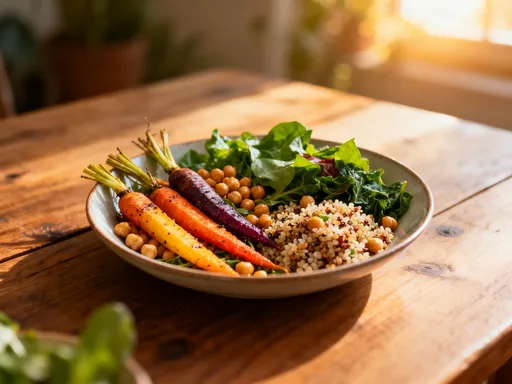
A sample day might begin with a breakfast of scrambled eggs with tomatoes and spinach, half an avocado, and a slice of whole grain toast. This meal provides protein, healthy fats, fiber, and complex carbohydrates. A mid-morning snack could be a small apple with a tablespoon of almond butter. Lunch might be a quinoa bowl with roasted vegetables, chickpeas, feta cheese, and a lemon-olive oil dressing. The afternoon could include a cup of herbal tea and a handful of mixed nuts. Dinner might feature baked salmon, steamed broccoli, and a small portion of brown rice. A modest piece of dark chocolate or a bowl of berries can satisfy evening cravings without spiking blood sugar.
This way of eating is adaptable. For vegetarians, lentils or tofu can replace animal proteins. For those with gluten sensitivity, quinoa or rice can substitute for wheat-based grains. The core principle is balance: each meal should include at least one source of protein, one healthy fat, and one high-fiber carbohydrate. This combination slows digestion, supports stable blood sugar, and sustains energy for hours.
Perfection is not the goal. Life includes celebrations, travel, and unexpected events. The aim is progress, not flawlessness. If one meal is less balanced, the next is an opportunity to return to center. Over time, these choices become habits, and habits become identity. You begin to see food not as a source of guilt or indulgence, but as nourishment—a daily act of care for the body that carries you through your responsibilities and joys.
In a world that glorifies busyness and burnout, choosing real food is quietly revolutionary. It says that your energy, your focus, and your well-being are worth protecting. It acknowledges that you cannot pour from an empty cup. By aligning your diet with your body’s biological needs, you create a foundation for lasting vitality. This isn’t about quick fixes or trendy diets. It’s about making peace with food, trusting your body, and reclaiming the energy to live fully—every single day.