How I Fixed My Sleep for Good — And What It’s Doing for My Health
I used to toss and turn every night, waking up drained and foggy. For years, I ignored how bad sleep was affecting my body—until I started connecting the dots. Poor rest isn’t just about tiredness; it’s linked to long-term health risks like heart issues and weakened immunity. I took control with small, science-backed changes. Not quick fixes, but lasting habits. Now, I sleep deeper, feel sharper, and my health markers have improved. This is what actually worked for me—and why fixing your sleep might be the most important health move you make.
The Hidden Cost of Bad Sleep (Why It’s More Than Just Fatigue)
Sleep is often treated as the first thing to sacrifice when life gets busy. Yet, the consequences of poor sleep extend far beyond feeling groggy the next morning. Chronic sleep disruption interferes with the body’s ability to repair tissues, regulate hormones, and support immune function. Over time, this creates a biological environment where inflammation increases, stress hormones remain elevated, and the body becomes less efficient at managing blood sugar and blood pressure. These changes may not show up on a daily basis, but they lay the groundwork for long-term health challenges.
Many women in their 30s to 50s find themselves caught in a cycle of exhaustion—juggling work, family, and personal responsibilities—only to lie awake at night, unable to shut off their thoughts. They eat well, maybe even exercise regularly, yet still feel constantly run down. They catch colds more often, take longer to recover from minor illnesses, and notice their energy dips sharply in the afternoon. These are not just signs of a busy life—they are signals that the body is not getting the rest it needs to function optimally.
Scientific consensus confirms that long-term sleep deprivation is a contributing factor in preventable chronic conditions, including hypertension, type 2 diabetes, and cardiovascular disease. While no single night of poor sleep causes these issues, repeated patterns of insufficient or low-quality rest weaken the body’s resilience. Sleep is not downtime; it is active maintenance. During deep sleep, the brain clears out metabolic waste, the immune system produces protective cytokines, and cells regenerate. When this process is disrupted, the body operates in a state of constant wear and tear.
What makes this especially concerning is how quietly these effects accumulate. Unlike an injury or illness that demands immediate attention, the impact of poor sleep creeps in gradually. A few restless nights become a habit, and a habit becomes a lifestyle. The good news is that this cycle can be reversed. The body responds quickly to improved sleep hygiene, often showing measurable benefits in mood, energy, and immune response within weeks. Recognizing sleep as a pillar of health—not a luxury—is the first step toward lasting change.
Breaking the “I’ll Sleep When I’m Dead” Mindset
For much of my adult life, I wore my sleepless nights like a badge of honor. Staying up late to finish work, care for a child, or simply reclaim a few quiet moments felt like proof of my dedication and strength. I believed that pushing through fatigue was a sign of resilience, not a risk to my well-being. This mindset is deeply embedded in modern culture, especially among women who are often expected to manage multiple roles without complaint. The idea that rest is for the weak or the idle persists, even as science tells us otherwise.
It wasn’t until I experienced a series of minor but persistent health setbacks—a recurring sinus infection, unexplained weight gain, and constant low-grade anxiety—that I began to question this belief. I was doing everything “right”: eating nutritious meals, walking daily, and staying socially connected. Yet, I wasn’t thriving. When a doctor gently suggested I look at my sleep patterns, I was skeptical. How could something as simple as bedtime affect so much?
That question led me to rethink what productivity really means. True productivity isn’t measured by how many hours you stay awake, but by how well you function during the day. A rested mind is sharper, more creative, and better equipped to handle stress. A rested body recovers faster, resists illness more effectively, and maintains hormonal balance. Sacrificing sleep doesn’t make you more capable—it diminishes your capacity over time.
Shifting my perspective didn’t happen overnight. I had to unlearn years of conditioning that equated busyness with worth. I started treating sleep as a non-negotiable part of my routine, just like eating or breathing. I stopped apologizing for going to bed early. I turned down late-night social events when I knew I needed rest. I reframed rest not as laziness, but as an essential act of self-care. This change in mindset was as important as any habit I adopted. Without it, I would have kept undermining my own efforts, believing I didn’t have time for something I now know I can’t afford to live without.
What Actually Changed My Sleep (My Personal Routine, No Hype)
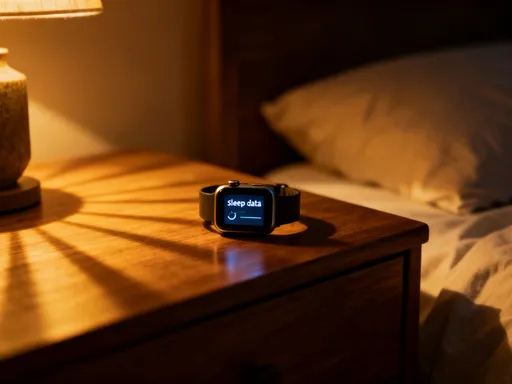
When I first decided to improve my sleep, I tried everything—sleep trackers, melatonin supplements, expensive pillows, guided meditation apps. Some helped a little, but most didn’t create lasting change. What finally worked wasn’t a product or a shortcut, but a series of small, consistent behaviors that aligned with my body’s natural rhythms. The foundation of my new routine was consistency: going to bed and waking up at the same time every day, even on weekends. This simple act did more than any gadget ever did.
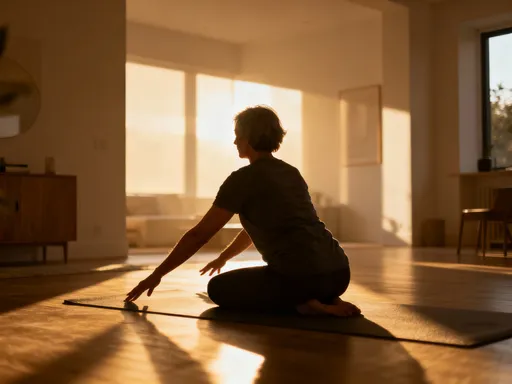
I also made a firm rule about screens. For years, I had brought my phone to bed, scrolling through emails or social media until I fell asleep. I didn’t realize how much the blue light was disrupting my ability to wind down. I started turning off all screens at least an hour before bed. Instead, I read a physical book, sipped herbal tea, or practiced gentle stretching. At first, it felt strange to sit in the quiet, but over time, that hour became something I looked forward to—a peaceful transition from the day’s demands to restful stillness.
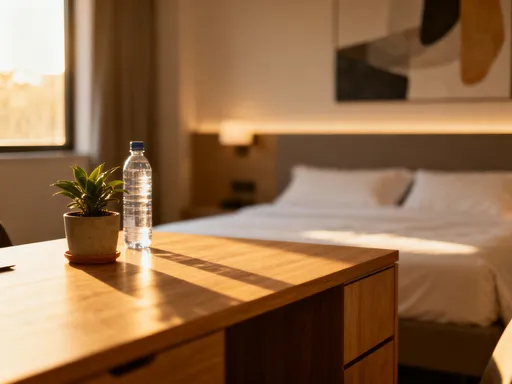
Another key change was adjusting my bedroom environment. I invested in blackout curtains to block outside light, which helped signal to my brain that it was time to sleep. I also lowered the thermostat. I learned that a cooler room—around 65°F (18°C)—supports deeper sleep by helping the body lower its core temperature, a natural part of the sleep cycle. I kept my phone in another room, charging on a desk in the kitchen, so I wouldn’t be tempted to check it during the night.
These changes weren’t dramatic, but they were deliberate. I didn’t expect perfection. Some nights, I still stayed up too late. Some mornings, I hit snooze one too many times. But I focused on progress, not perfection. Over time, the patterns shifted. My body began to expect sleep at the same time each night, and falling asleep became easier. I stopped relying on external aids and trusted the routine itself. What surprised me most was how little I missed the things I had given up—once I felt the benefits of real rest, the old habits no longer held appeal.
The Science Behind the Habits (Why These Work Long-Term)
The reason these habits are effective lies in how they support the body’s internal systems. The circadian rhythm, often called the “body clock,” regulates sleep-wake cycles, hormone release, and body temperature over a 24-hour period. When this rhythm is consistent, the body knows when to release melatonin, the hormone that signals it’s time to sleep. But when bedtime varies widely or is disrupted by light and activity, the rhythm becomes confused, delaying melatonin release and making it harder to fall asleep.
Blue light from screens is a major disruptor. It mimics daylight, tricking the brain into thinking it’s still daytime. This suppresses melatonin production, even if you feel tired. By eliminating screens an hour before bed, you allow the natural rise of melatonin to occur, making sleep feel more effortless. This is not just about willpower—it’s about creating conditions that support biological function.
Temperature also plays a crucial role. As the body prepares for sleep, its core temperature naturally drops. A cooler bedroom environment supports this process, helping you transition into deeper stages of sleep more quickly. Think of it like an internal thermostat—when the room is too warm, the body struggles to cool down, leading to restless or fragmented sleep. A cooler, darker, and quieter space mimics the ideal conditions for rest that humans evolved with, long before artificial light and climate control.
Consistency reinforces these biological signals. When you go to bed and wake up at the same time every day, your body learns to anticipate sleep. This builds what scientists call “sleep pressure”—a gradual increase in the drive to sleep as the day progresses. Over time, this creates a self-sustaining cycle: better sleep leads to more energy during the day, which supports physical activity and exposure to natural light, both of which strengthen the circadian rhythm further. The habits work not because they are rigid, but because they align with how the body is designed to function.
How Better Sleep Started Changing My Health
The most surprising part of improving my sleep wasn’t just feeling more alert—it was how many other areas of my health improved. Within a few weeks, I noticed I wasn’t getting sick as often. I used to catch every cold that went around the office or school, but now I’d go months without so much as a sniffle. My digestion improved, too. I had struggled with occasional bloating and irregularity, but those issues became less frequent. My skin looked clearer, and I had fewer afternoon cravings for sugary snacks.
These changes make sense when you understand the role sleep plays in immune function and metabolic regulation. During deep sleep, the body produces cytokines—proteins that help fight infection and inflammation. Without enough sleep, this defense system weakens. At the same time, poor sleep disrupts hormones that control hunger, like ghrelin and leptin, leading to increased appetite and cravings for high-calorie foods. When I started sleeping better, my body was better equipped to regulate these systems on its own.
My mood also stabilized. I used to experience waves of irritability and anxiety, especially in the late afternoon. Now, I feel more emotionally balanced throughout the day. I handle stress more calmly and recover from setbacks more quickly. This isn’t because my life became easier—it’s because my nervous system was no longer running on empty. Chronic sleep loss keeps the body in a state of low-grade stress, with elevated cortisol levels. Better sleep helps reset this balance, allowing the body to return to a state of calm and recovery.
These benefits didn’t happen overnight, but they compounded over time. Each good night of sleep built on the last, creating a foundation of resilience. I didn’t just feel better—I felt stronger, more capable, and more in control of my health. What began as a simple effort to sleep longer turned into a profound shift in how I care for myself. I realized that sleep wasn’t just about rest—it was about protection, prevention, and long-term well-being.
Making It Stick: Building a Sleep-Friendly Life (Not Just a Bedtime)
Sleep doesn’t start when you lie down in bed—it’s shaped by everything you do during the day. One of the most impactful changes I made was getting exposure to natural light first thing in the morning. Even a short walk outside or sitting by a window within an hour of waking helps reset the circadian rhythm. This early light exposure signals to the brain that the day has begun, which strengthens the contrast between wakefulness and sleepiness later on.
Physical activity also plays a role. Regular movement—whether it’s walking, stretching, or yoga—supports deeper sleep by reducing stress and helping regulate energy levels. I found that even 20 minutes of gentle exercise made a difference, as long as I did it earlier in the day. Exercising too close to bedtime could be stimulating for me, so I learned to time it right.
Caffeine is another factor that’s easy to overlook. I used to drink coffee late in the afternoon, not realizing it could still affect me hours later. I switched to herbal tea after 2 p.m. and noticed a significant improvement in how easily I fell asleep. It’s not about eliminating caffeine altogether, but about understanding its half-life and respecting its impact on your individual system.
Mental habits matter just as much. I used to lie in bed worrying about everything I hadn’t finished or what the next day would bring. Now, I set aside a “worry time” earlier in the evening—15 minutes to write down concerns or make a to-do list. This simple practice helped me stop ruminating at bedtime. I also created a wind-down ritual: dimming the lights, lighting a candle, and reading something calming. These cues signal to my brain that it’s time to shift into rest mode. The goal isn’t perfection, but consistency. Missing one night doesn’t undo progress—what matters is the overall pattern.
Final Thoughts: Sleep as a Lifelong Health Investment
Looking back, I didn’t think changing my nights would change my life. But it did. Improving my sleep didn’t just help me feel more rested—it transformed my health in ways I hadn’t anticipated. I have more energy, fewer illnesses, better digestion, and a clearer mind. I’m more patient, more present, and more resilient in the face of daily challenges. What I once saw as a passive activity—something I did when I had nothing else to do—has become one of the most active and intentional parts of my self-care routine.
Sleep is not a luxury. It is a biological necessity, as essential as food, water, and air. When we prioritize it, we’re not being lazy—we’re investing in our long-term health. Every night of quality rest strengthens the body’s defenses, supports mental clarity, and protects against chronic disease. The habits that support good sleep are simple, but their impact is profound.
If you’ve been struggling with sleep, know that small changes can make a difference. Start with one habit—going to bed at the same time, turning off screens earlier, or making your bedroom cooler and darker. Be patient with yourself. Change takes time, and progress isn’t always linear. Most importantly, don’t wait for a health crisis to take sleep seriously. The best time to start is now, because every night is an opportunity to heal, restore, and protect your future.
This is my story, not medical advice. If you have ongoing sleep issues, consult a healthcare provider to rule out underlying conditions. But for most of us, the solution isn’t a pill or a device—it’s a return to the basics: consistency, environment, and respect for the body’s need to rest. I didn’t fix my sleep overnight, but I did it—one night at a time. And it has made all the difference.