More Than a Chat: How a Health App Gave Me Real Peace During the Holidays
Remember that moment when your mom calls, voice tight with worry, asking if you’ve eaten well on your trip? This past holiday, instead of brushing her off, I opened an app and showed her my tracked meals, sleep, and even stress levels. It wasn’t about data—it was about connection, care, and feeling supported from afar. Here’s how a simple health platform quietly transformed my break.
The Holiday Hustle That Left Me Drained
For years, I looked forward to the holidays with equal parts excitement and dread. There’s something magical about coming home—the smell of cinnamon rolls baking, the sound of my dad humming carols, the way my sister still calls me by my childhood nickname. But beneath the warmth, there’s always been a current of stress I couldn’t quite name. The truth is, I used to come back from family visits feeling more worn out than I did before I left. I’d lose sleep catching up with cousins, eat when I wasn’t hungry just to keep the peace, and say yes to every gathering, even when my body screamed for rest.
One year, I remember lying on the guest bed at 2 a.m., staring at the ceiling, my heart racing after one too many glasses of eggnog and a heated conversation about politics I didn’t want to have. I wasn’t sick, but I wasn’t well, either. That feeling—being physically present but emotionally frayed—started to feel like the default holiday experience. I’d return to work sluggish, my routines shattered, my energy tank on empty. I began to wonder: what if the goal wasn’t just to survive the holidays, but to actually feel better after them?
This year, I decided to try something different. I didn’t want another checklist of resolutions or a rigid detox plan. I wanted support—something gentle but consistent, something that could hold space for me even when the house was loud and full. That’s when I turned to a health consultation platform I’d heard about through my doctor’s office. I didn’t download it out of crisis. I downloaded it with intention. Not to fix myself, but to stay grounded. And honestly, I had no idea how much it would change the way I experienced not just the holidays, but connection itself.
Why I Chose a Health App Before Packing My Suitcase
When I started packing for the trip, I laid out my clothes, chargers, a new book, and my favorite tea. Then I paused and opened my phone. I thought about all the little things that usually throw me off—eating too late, skipping my walks, snapping at my mom over nothing. I realized I wasn’t just packing for comfort. I was preparing for emotional survival. So I downloaded the health app, not as a last resort, but as a companion. I wanted a place to check in with myself, somewhere I could be honest about how I was really doing—without having to explain, justify, or perform.
The app wasn’t flashy. It didn’t promise miracles or rapid weight loss. What drew me in was its focus on holistic well-being: sleep, nutrition, emotional health, and access to real health professionals when needed. I liked that I could message a coach anytime, day or night, and get a thoughtful reply—not a robotic chatbot, but a real person who’d read my history and cared about my progress. It felt like having a calm, wise friend in my pocket. And in the middle of holiday chaos, that kind of quiet support was priceless.
I didn’t tell anyone at first. It felt a little vulnerable, like admitting I needed help just to get through Christmas dinner. But the more I used it, the more I realized this wasn’t about weakness. It was about self-awareness. By giving myself a private space to reflect, I was actually showing up more fully for my family. I wasn’t hiding. I was preparing. And that small act—choosing care before the storm—shifted everything.
Morning Rituals That Set the Tone—With Help From Tech
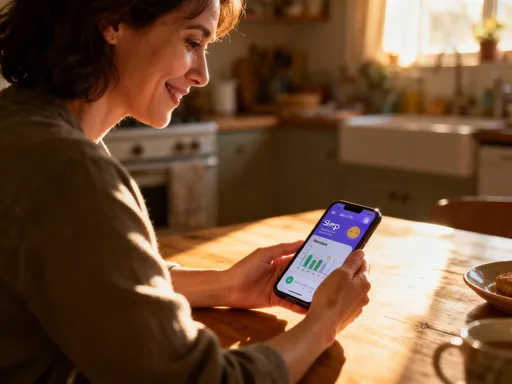
One of the biggest changes this year was how I started my days. In past holidays, I’d wake up late, rush to join the kitchen chaos, and jump straight into conversation before I’d even had water. This time, I set a gentle alarm for 7 a.m., before anyone else was awake. I’d wrap myself in my cozy blanket, open the app, and spend ten quiet minutes checking in.
The app asked simple questions: How did you sleep? How’s your energy? Any aches or worries this morning? I’d answer honestly—sometimes with a tired ‘3/10,’ sometimes with a bright ‘8/10.’ Then I’d send a short message to my health coach: ‘Feeling a little anxious about today’s family lunch,’ or ‘Really proud I went for a walk yesterday.’ It wasn’t therapy, but it was close. It was accountability with kindness. And within an hour, I’d usually get a reply: ‘Anxiety is valid. Try three deep breaths before you walk in. You’ve got this.’
Those few minutes became my anchor. They reminded me that my feelings mattered, even when no one else was asking. I wasn’t just going through the motions. I was present. I was tending to myself. And that made me more patient, more present, and more joyful during the day. One morning, my niece peeked into the room and asked, ‘What are you doing?’ I said, ‘I’m checking in with myself, sweetie.’ She climbed onto the bed and said, ‘Can I do it too?’ We ended up doing a little breathing exercise together. That moment—simple, quiet, connected—never would’ve happened before. The app didn’t steal my time. It gave me back moments of real presence.
Navigating Family Dinners Without Stress
Let’s be honest—holiday meals can be landmines. I love my family, but food has always been a battleground. There’s the aunt who refills your plate before you’ve finished the first, the cousin who judges your salad, the grandparent who says, ‘You’re too thin, eat something real.’ I used to either cave and overeat, or get defensive and ruin the mood. Either way, I ended up feeling guilty or resentful.
This year, I used the app’s nutrition planning tool to prepare. Before each big meal, I’d open it and build a balanced plate: lean protein, colorful veggies, a small portion of my favorite dessert. I didn’t do it to be perfect. I did it to feel good afterward. When I sat down, I already knew what I wanted, so I wasn’t swayed by pressure. And when Uncle Joe raised an eyebrow at my small slice of pie, I just smiled and said, ‘My body’s thanking me this year.’ He laughed, and the moment passed.
What surprised me most was how the app helped me reframe the conversation. Instead of feeling restricted, I felt empowered. I wasn’t depriving myself. I was choosing what truly nourished me. And because the app tracked how I felt after meals, I could see the patterns: when I ate too much sugar, my energy crashed. When I included protein and fiber, I felt steady. That knowledge gave me confidence. I didn’t need to argue or explain. I just needed to know what worked for me. And that quiet confidence changed how I moved through the holiday table—one mindful bite at a time.
Supporting My Niece’s Art Project—And Discovering a Hidden Feature
One afternoon, my 12-year-old niece, Maya, came to me with a school project. She had to create a visual journal about wellness, but she was stuck. ‘I don’t know how to show feelings,’ she said, frowning at her blank notebook. I thought for a moment, then pulled out my phone. ‘What if we used my app to help?’
I showed her the mood-tracking charts and sleep graphs from the past month. At first, she wrinkled her nose. ‘That looks boring.’ But then I explained how each color represented a different emotion—blue for calm, red for stress, yellow for happy. I showed her how my sleep improved after I started walking daily. Her eyes lit up. ‘We can turn this into art!’ she said.
For the next two hours, we played. We printed out the graphs and painted over them, turning stress spikes into fiery dragons and calm days into peaceful oceans. We used stickers, glitter, and colored pencils to bring the data to life. She even interviewed me about what caused the red days and wrote little captions. When she presented it at school, her teacher called it ‘a brilliant blend of science and creativity.’ But more than that, Maya told me, ‘Now I know it’s okay to not feel happy all the time.’
That moment hit me deep. I hadn’t just helped her with homework. I’d shown her that paying attention to your inner world is valuable. The app wasn’t just for adults. It wasn’t just for ‘sick’ people. It was a tool for understanding, for expression, for connection. And by sharing it with her, I was passing on something bigger: the idea that your feelings matter, and there are kind, smart ways to care for them.
When a Headache Turned Into a Lesson in Smart Care
Midway through the visit, I woke up with a familiar dull throb behind my eyes. A tension headache—the kind that usually means I’ve been clenching my jaw or skipping water. In the past, I’d either ignore it until it got worse or take two painkillers and hope for the best. But this time, I opened the app and used the symptom checker. I answered a few questions about when it started, how it felt, whether I’d had trouble sleeping or eaten differently.
Within minutes, the app suggested it was likely stress-related and offered a few options: connect with a nurse, try a guided relaxation, or review hydration tips. I chose the nurse chat. A real person—her name was Sarah—responded quickly. She didn’t rush me. She asked about my sleep, my stress levels, whether I’d been spending time outdoors. She listened. Then she said, ‘It sounds like your body’s asking for a break. Have you had a moment to just breathe today?’
She recommended a short neck stretch, drinking a full glass of water, and doing a five-minute meditation. No prescription. No alarm. Just gentle, practical care. I followed her advice, and within an hour, the headache faded. I didn’t need to leave the house. I didn’t need to worry my mom. I just needed a little guidance—and I got it, instantly, without any hassle.
That moment was a turning point. It wasn’t just about convenience. It was about dignity. I didn’t have to choose between suffering in silence and making a big deal out of a small problem. I could get support quietly, respectfully, on my own terms. The app didn’t replace my doctor. But it filled the gaps—the in-between moments when you’re not sick enough for the ER, but too uncomfortable to ignore.
Coming Home Changed—Not Just Rested, But Renewed
When I packed my suitcase to go back home, I folded up more than just clothes. I carried with me a new sense of balance. I hadn’t followed a strict diet. I hadn’t exercised every day. But I’d stayed connected to myself. I’d made choices that honored my needs, even in a house full of expectations. And for the first time in years, I didn’t come back exhausted.
I felt lighter. Clearer. More like myself. The app had helped me set boundaries without guilt, eat with intention, rest when I needed to, and seek support without shame. But more than that, it had deepened my relationships. I was more patient with my mom. More present with my niece. More honest with my sister. Because when you feel taken care of, you have more to give.
A few days after returning, I called my sister and told her about the app. She’s been dealing with fatigue and stress at work, and I could hear the relief in her voice when she said, ‘I think I need this.’ She downloaded it that night. Last week, she texted me: ‘I messaged my coach today. I cried. But I felt heard.’
That’s when it really hit me. This wasn’t just about tracking data. It was about creating space for care—in our lives, in our families, in our hearts. The right technology doesn’t pull us away from humanity. It can actually bring us closer—to ourselves, and to each other.
Conclusion
This holiday wasn’t perfect. There were loud moments, messy feelings, and a burnt casserole or two. But it was real. And for the first time, I didn’t lose myself in it. I stayed connected—to my body, my emotions, my people. The health app didn’t make the holidays flawless. It made me more present within them.
True self-care isn’t about spa days or perfect routines. It’s about small, consistent acts of kindness toward yourself—especially when life gets busy. It’s about giving yourself permission to check in, to ask for help, to say no, to rest. And sometimes, the simplest tool can hold the most profound support.
So if you’re heading into a season that feels overwhelming, I’ll leave you with this: You don’t have to choose between showing up for your family and taking care of yourself. With the right support, you can do both. Because when you feel seen and supported, you bring more love, more patience, more joy to the people who matter most. And isn’t that what the holidays are really about?